


Speeding Up Recovery: How Regenerative Medicine and Modern Rehab Are Changing Meniscus Injury Treatment
Introduction
The meniscus may be small, but it plays a huge role in your knee—acting as a cushion that absorbs shocks and keeps your joint moving smoothly. If you injure your meniscus , you’ll likely feel pain, swelling, and have trouble with everyday movements, whether that's walking, running, or playing sports. Understanding how long recovery takes is crucial, as it helps you plan your treatment and set realistic expectations.
Recent advances in regenerative medicine and rehabilitation are transforming how we treat meniscus injuries . Thanks to these innovations, recovery times are getting shorter and outcomes are improving. In this article, we’ll look at these exciting breakthroughs and explain how they’re reshaping the road to recovery for meniscus injuries .
What Is a Meniscus Injury and How Is It Treated?
A meniscus injury usually means a tear in the cartilage cushioning your knee. This can happen suddenly—like from a quick twist or turn—or develop over time due to wear and tear. A damaged meniscus can make your knee feel unstable and uncomfortable.
Traditionally, treatment depends on the severity of the injury. Minor tears often respond well to rest, ice, and physiotherapy. More serious injuries may need surgery, such as an arthroscopic repair (a minimally invasive procedure to fix the tear) or partial removal of the damaged tissue.
Recovery times can vary widely. Without surgery, you might start to feel better after several weeks or months of physiotherapy . After surgery, recovery can also take a few weeks to a few months. These timelines can seem long, which is why the arrival of new regenerative treatments is so exciting. Recent research also suggests that genetic factors may play a role in both your risk for meniscus injury and how quickly you recover, which could influence future treatment approaches.
The Promise of Regenerative Medicine
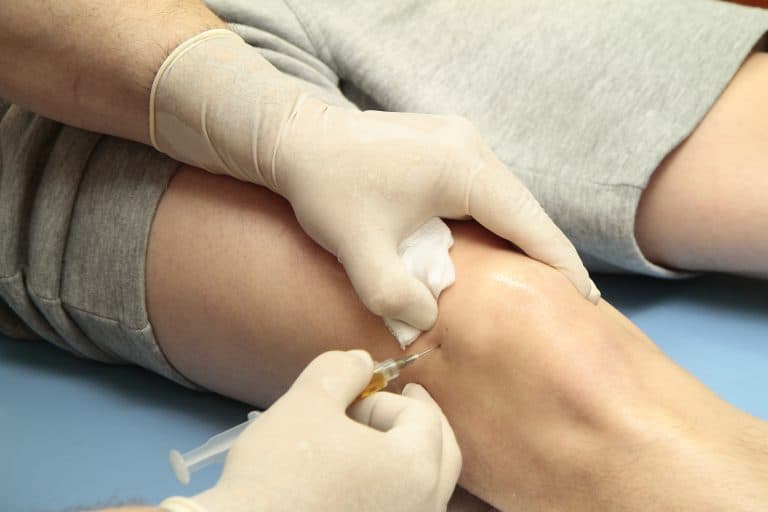
Regenerative medicine is an innovative approach that helps the body heal itself. Rather than just patching up damage, it jump-starts the growth of new, healthy tissue. Treatments like stem cell therapy and platelet-rich plasma (PRP) injections use the body’s own healing cells to speed up recovery and decrease inflammation.
Studies show that these therapies can improve tissue repair and may shorten recovery times when used alongside traditional treatments. This has led many experts to talk about a “regenerative revolution” in meniscus injury care —one that focuses on truly restoring knee function for the long-term. As research continues, there’s even hope that genetic discoveries will make it possible to personalize these regenerative treatments to each individual for even better results.
Free non-medical discussion
Not sure what to do next?
Information only · No medical advice or diagnosis.
Modern Rehabilitation: More Than Just Rest
Recovery doesn’t end after treatment or surgery—it continues with rehabilitation. Modern rehab programs are highly personalized, emphasizing specific exercises to rebuild strength , flexibility, and balance in the knee.
A common question is whether walking on a torn meniscus makes things worse. The answer depends on your specific injury, but in many cases, controlled movement and early weight-bearing exercises help maintain knee function and actually support healing.
For many in the UK, another concern is how soon they can return to work after meniscus surgery . If you have a desk job, you might be back within a few weeks. If your role is physically demanding, recovery may take longer. The goal of modern rehabilitation is to help you return safely to your routine as quickly as possible. There’s also growing evidence that genetics can influence early outcomes after surgery, suggesting that personalized rehab plans based on genetic testing could eventually play a role in recovery.

What Affects How Quickly You Recover?
No two recoveries are alike. Several factors influence how fast you’ll heal: the severity and location of your tear, your age, overall health, and how soon you begin treatment.
Early diagnosis and prompt treatment —sometimes including surgery—generally lead to better results. Advances in MRI and less invasive surgical techniques now allow doctors to identify issues precisely and minimize trauma , making for faster, smoother recoveries. Ongoing research into genetics, biology, and surgical technologies continues to improve outcomes, making treatment ever more personalized.
Looking Ahead: The Future of Meniscus Injury Recovery
Treatment for meniscus injuries is advancing rapidly. Thanks to breakthroughs in regenerative medicine and smarter, more individualized rehabilitation, many people are now experiencing quicker, fuller recoveries.
While there are still questions about the long-term effects and accessibility of these cutting-edge treatments, the future looks promising. As research and innovation progress, more patients will benefit from these remarkable advances—setting new standards for knee care that prioritize both speed and overall joint health.
If you or someone you care about is facing a meniscus injury , staying up to date on these developments can make a real difference in recovery and long-term quality of life.
References
Jiao, J. (2024). Overview of Meniscus Injury Treatment. Theoretical and Natural Science, 71(1), 108-114. EWA Publishing. https://doi.org/10.54254/2753-8818/2024.la18942
Ouyang, X., Wei, B., Hong, S., Xin, F., Wang, L., Yang, X., & Wang, L. (2015). Arthroscopic Characteristics of Normal and Discoid Meniscus Injury, and Efficiency of Recovery in Each Type of Meniscus Injury. Cell Biochemistry and Biophysics, 72(2), 433-437. https://doi.org/10.1007/s12013-014-0483-6
Ge, W., Mu, J., & Huang, C. (2013). The GDF5 SNP is associated with meniscus injury and function recovery in male Chinese soldiers. International Journal of Sports Medicine, 35(07), 625-628. https://doi.org/10.1055/s-0033-1355417
Legal & Medical Disclaimer
This article is written by an independent contributor and reflects their own views and experience, not necessarily those of London Cartilage Clinic. It is provided for general information and education only and does not constitute medical advice, diagnosis, or treatment.
Always seek personalised advice from a qualified healthcare professional before making decisions about your health. London Cartilage Clinic accepts no responsibility for errors, omissions, third-party content, or any loss, damage, or injury arising from reliance on this material.
If you believe this article contains inaccurate or infringing content, please contact us at [email protected].
London Cartilage Clinic
Ready to explore your options?
Our consultant-led team specialises in cartilage repair, regeneration and replacement — tailored to your diagnosis and long-term goals.
Will the Arthrosamid work for me
PAAG-8+ Questionnaire
A bright, structured entry point for patients exploring Arthrosamid. The questionnaire helps frame suitability, expectations, and 24-month clinical benefit discussion before a fuller consultant-led review.
Designed for shared decision-making. It does not replace specialist consultation, examination, imaging review, or formal medical advice.